KTH ELECTRIC - COMPREHENSIVE ELECTRICAL SOLUTIONS
Comprehensive Electrical System Assessment:
The Guide to Safety & Efficiency
An electrical system assessment is a comprehensive evaluation of your property’s wiring, panels, and devices to identify hazards, verify code compliance, and evaluate overall capacity. It ensures safety, prevents fires or shocks, and improves system reliability by comparing actual conditions against standards like IEC 60364-6:2016 and NFPA 70B.
Whether you are managing an aging industrial facility, preparing for renovations, or experiencing frequent tripped breakers, a professional assessment provides a clear, quantitative evaluation of your infrastructure’s health.
What Is an Electrical System Assessment?
An electrical system assessment goes beyond a simple visual check. It is a rigorous review of a facility’s electrical wiring and devices to identify potential electrical hazards that could lead to fires, shocks, or operational downtime.
Audit vs. Assessment: The Key Differences
While often used interchangeably, there is a distinct difference between an audit and an assessment in electrical engineering:
1Electrical System Audit
Focuses strictly on compliance. It inspects and measures the current condition of power systems to verify if they conform to specific regulations (e.g., ANSI/NETA MTS 2007).
2Electrical System Assessment
Provides a deeper, quantitative evaluation of the audit’s results. It assigns attributes to the findings—categorizing system health as good, bad, or severe—and evaluates overall reliability, energy consumption, and remaining asset lifetime.
Does Your Facility Need an Evaluation?
Critical Warning Signs and Triggers

If your facility exhibits any of the following symptoms, an immediate assessment is required:
- ⚠️Frequent Interruptions:
Unexplained faults, frequently tripping breakers, or complete system shutdowns. - ⚠️Safety Hazards:
High frequency of minor electrical shocks, burning odors, or scorch marks near panels. - 🏢Aging Infrastructure:
Homes or commercial buildings over 25 years old require evaluations to conform to modern local by-laws and handle increased loads. - 🏗️Pre-Purchase or Renovation:
Uncovering hidden damage or ensuring compliance before acquiring a property or upgrading machinery.
The Evaluation Process
A thorough assessment conducted by a Licensed Electrical Contractor (LEC) follows a strict, data-driven methodology to guarantee accuracy and safety.
Step 1: Initial Walkthrough and Visual Inspection
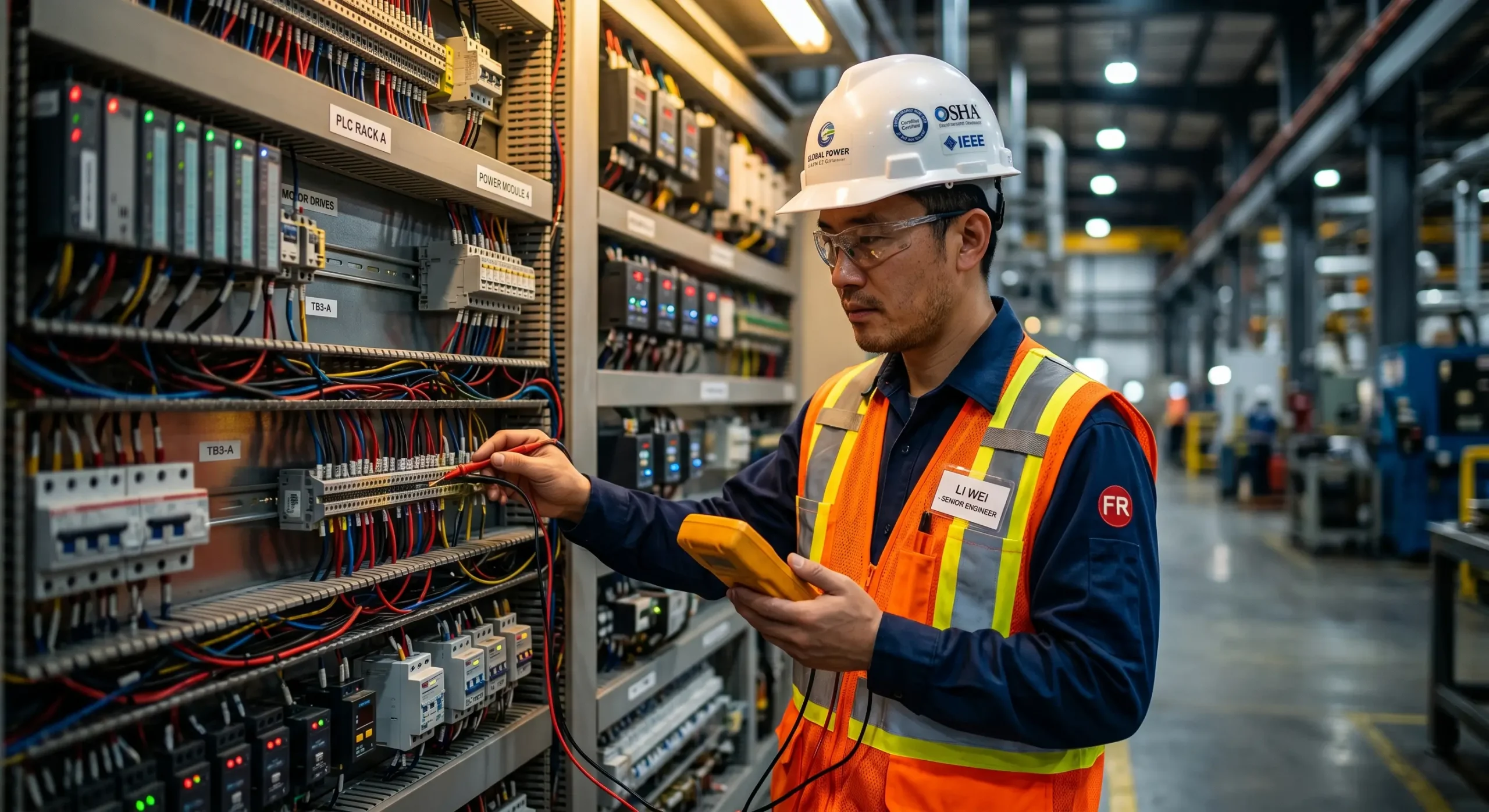
The assessment begins with a visual review of visible switches, outlets, and the electrical panel. Technicians inspect for frayed wires, scorch marks, outdated wiring materials, and the physical condition of electrical panels and protective devices.
Step 2: Specialized Measurement and Analysis
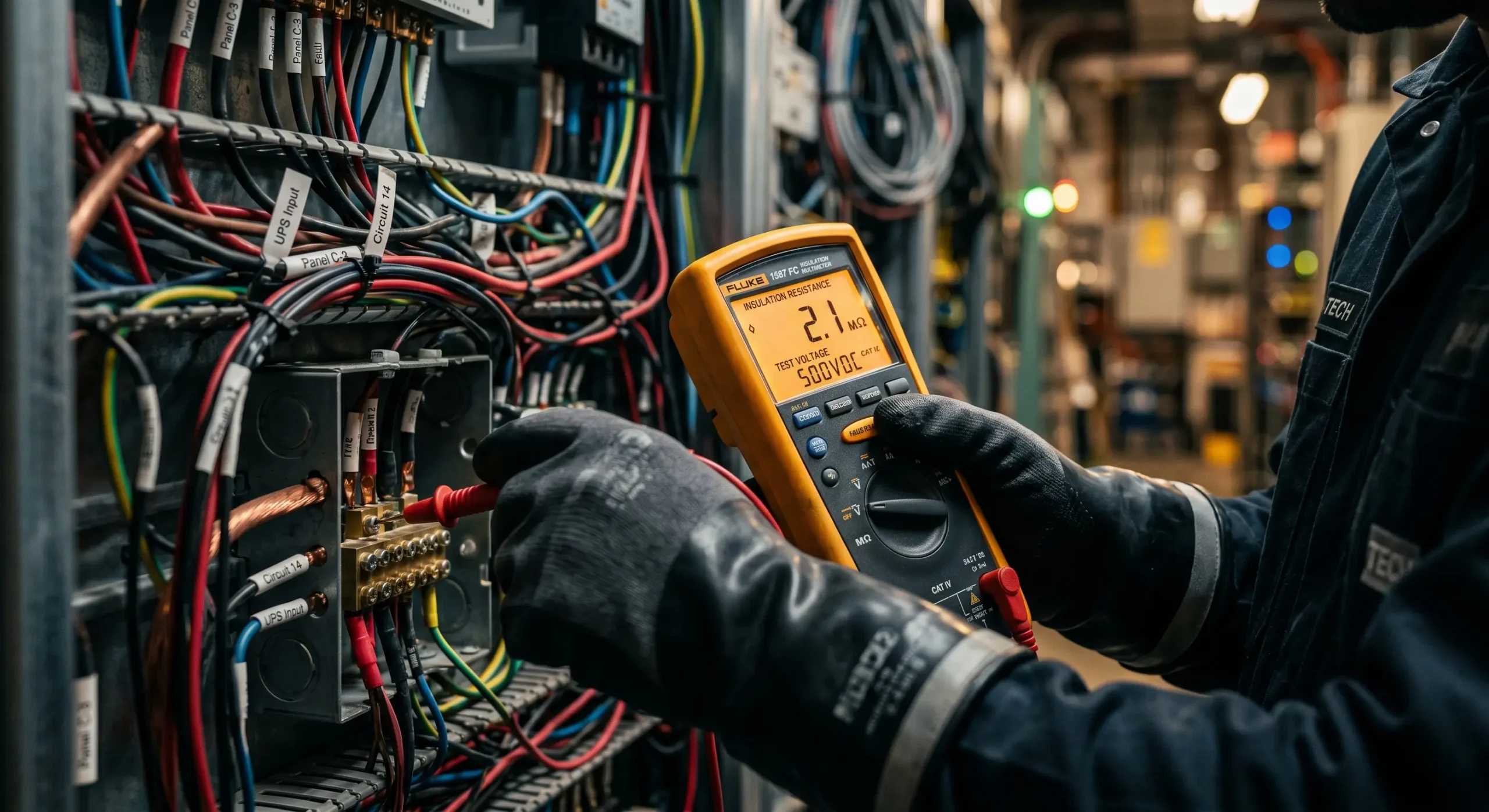
Using diagnostic tools like multimeters, clamp meters, and insulation testers, engineers evaluate the core integrity of the system:
- Insulation Resistance Testing: Verifying that insulation meets safety thresholds to prevent leakage.
- Grounding System Testing: Evaluating conductivity to ensure stray currents are safely directed into the earth.
- Device Functionality: Testing safety devices like GFCIs (Ground Fault Circuit Interrupters), relays, and main breakers under simulated fault conditions.
Step 3: Overall Evaluation and Reporting
Following the physical testing, you receive a detailed document outlining the findings. This report identifies root causes for equipment failure, prioritizes necessary repairs based on risk levels, and outlines an improvement roadmap to enhance energy efficiency and safety.
Critical Technical Standards
To guarantee optimal performance and personnel safety, electrical installations must adhere to strict technical parameters.
Baseline Electrical Parameters
| Parameter | Optimal Value | Impact on System |
|---|---|---|
| Voltage | 220V – 380V | Ensures equipment runs within designed operational limits. |
| Frequency | 50Hz | Maintains motor synchronization and grid stability. |
| Grounding Resistance | ≤ 5Ω | Provides effective protection against lightning and electrical faults. |
| Insulation Resistance | ≥ 1MΩ | Prevents electrical leakage and short circuits. |
Common Hazards & Solutions
1
Electrical Leakage Risks
The Problem
Caused by insulation faults, deteriorated cables, or improper grounding.
The Impact
Drastically increases the risk of facility fires and poses severe electrocution hazards to personnel.
The Solution
Implement regular insulation resistance testing, upgrade to high-quality industrial insulation materials, and maintain grounding resistance below 5Ω.
2
System Overloading
The Problem
Utilizing equipment that exceeds the panel’s operational capacity or relying on outdated circuit designs.
The Impact
Results in frequent tripping, production interruptions, and accelerated degradation of electrical assets.
The Solution
Conduct a load capacity review to redesign and properly configure the system to meet both current demands and future expansions.
Ensure Safety and Efficiency with KTH ELECTRIC
Are you looking for a professional and effective electrical system evaluation service that adheres to international technical standards like IEC and ISO 55000? Let KTH ELECTRIC assist you.
With over 10 years of specialized engineering experience in the industrial electricity sector, our team of highly trained, internationally certified technicians provides comprehensive electrical system assessments. We utilize advanced, specialized measuring equipment to help you detect potential risks early, optimize operational costs, and ensure absolute safety for your personnel and assets.
via kth-electric.com or call our hotline for a free consultation and a detailed quotation.
⚡
Explore our specialized maintenance services:
- ✓Low Voltage Panel Maintenance: Enhance efficiency and prevent catastrophic panel failures.
- ✓Inverter Maintenance and Repair: Maximize the lifespan and reliability of your variable frequency drives.