
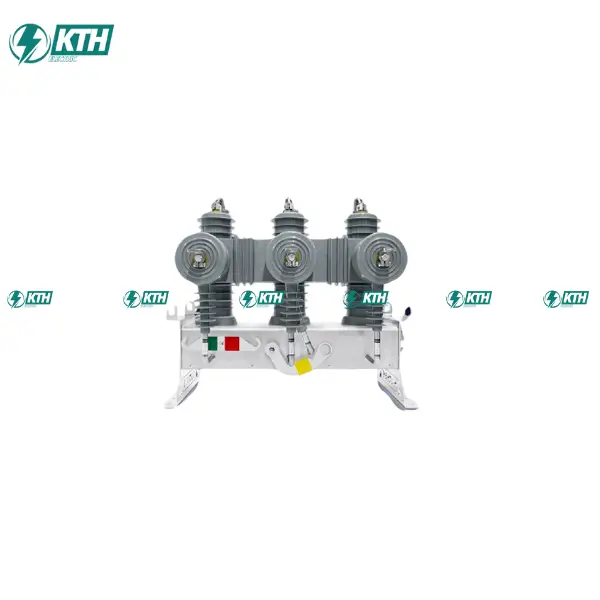
Routine maintenance of Recloser stations helps detect minor issues such as casing rust, dirty insulators, and circuit board moisture, allowing for timely intervention to prevent major failures. According to research by Eaton, this can reduce downtime by up to 50%.

Key procedures include daytime inspections (machine housing, control cabinet, AC/DC power), nighttime inspections (discharge detection), and monitoring via PC and visual checks. Professional maintenance services ensure the continuity of the electrical system and optimize operational costs.

The Necessity of Recloser Station Maintenance

Regular maintenance of Recloser stations allows for the early detection of faults, preventing catastrophic failures, ensuring operational safety, and saving up to 40% on emergency repair costs (2025 update). This is a mandatory requirement to maintain system continuity and safety.

Regular maintenance enables you to identify minor defects and address them promptly before they escalate into major incidents. This proactive approach is essential for economic efficiency and system reliability. It is a crucial component of a comprehensive substation maintenance service.

According to experts from ESP-VN, periodic maintenance reduces the risk of overcurrent and wiring errors, which account for 70% of failures. Data from Ankhang-Electric indicates that neglecting maintenance can increase emergency repair costs by up to 40%.

1. Recloser Supervision and Operation Requirements

Supervising and operating a Recloser requires strict adherence to Vietnam Standards (QCVN) and quarterly periodic checks. Technicians must possess electrical safety certificates and experience in electrical system assessment.

Supervision involves ensuring the auto-reclosing function operates correctly. Relays must be configured for appropriate auto-reclose cycles to avoid test failures, as regulated by EVN. Following Eaton’s guidelines, technicians must perform a comprehensive electrical system assessment before intervention.

2. Daytime Inspection Process

Daytime inspection is the most critical step for detecting mechanical issues, leaks, rust, and visual damage to the housing, insulators, control cabinet, and grounding system. This process includes 11 detailed checkpoints.

Inspections should be conducted under natural light to identify mechanical and electrical issues using resistance measurement tools and visual checks. The 2025 standard procedure includes:

  • 1) Housing Condition: Check for rust and ensure the body is not tilted. Tighten bolts if tilting occurs to prevent deformation.
  • 2) Insulators: Check for dirt, cracks, breakage, or discharge marks. Clean with dry cloths; replace if cracked to prevent insulation loss. Ensure continuous insulation monitoring.
  • 3) Control Cabinet: Check the enclosure and locks for rust, ensure seal integrity, and inspect the interior/boards for insects or mold. Clean boards with compressed air and add silica gel. This is similar to Medium Voltage Cabinet Maintenance.
  • 4) AC/DC Power Supply: Measure voltage; replace batteries/power units if they fall below 90% of the rated value.
  • 5) Primary Cables & Control Wiring: Check for broken wires, peeling insulation, and loose or scorched connections. Perform a pull test and retighten if necessary.
  • 6) Cable Lugs (Cosse): Ensure tightness and check for burning. Tighten to a torque of 20-30 Nm; replace if scorched.
  • 7) Position Indicator: Verify the On/Off position matches the actual state; calibrate if incorrect.
  • 8) Supply Transformer: Check for dirt, scorching, or rust. Clean the transformer and check oil levels, similar to Transformer Maintenance.
  • 9) Lightning Arrester (LA): Check for discharge or dislodged disconnectors. Measure resistance and replace if leaking. This is vital for the Lightning Protection System.
  • 10) Grounding System: Check for broken wires or rusted stakes. Ensure ground resistance is <4 Ohm; reinforce if higher.
  • 11) Structural Integrity: Check poles for tilting and brackets for rust/deformation. Apply anti-rust paint and realign poles if subsidence occurs.

Nighttime Inspection

Nighttime inspections are best performed using Thermal Imaging Cameras (Thermal Scan) to detect Partial Discharge or poor contacts (sparks) invisible during the day.

This step detects partial discharge and poor connections. Using thermal cameras or visual inspection in the dark helps identify sparks, preventing nighttime overcurrent incidents. This should be performed monthly in high-humidity areas.

3. Supervision via PC Communication

PC-based supervision uses specialized software (connected via Modbus/DNP3) to monitor switching logs, analyze real-time fault data, and detect early errors like current imbalance. This is the core of modern Electrical System Health Monitoring.

Use monitoring software to track logs and analyze faults via real-time data. Online Partial Discharge Measurement systems also support this, and 2025 firmware updates now facilitate AI integration for fault prediction.

4. Visual Patrol

Visual supervision involves periodic patrols (usually weekly) to record the external condition of the housing, insulators, and structures. This helps reduce minor “nuisance” faults by 30% and is indispensable.

Weekly checklists ensure nothing is missed, reducing minor errors by 30% according to best practices.

III. KTH Electric’s Professional Recloser Maintenance Service

The professional Recloser maintenance service by KTH Electric involves a comprehensive 12-step process, ranging from cleaning and tightening lugs to insulation resistance testing and switching trials, ensuring safe operation according to international standards.

Executed by certified engineers, our service includes:

  • Cleaning: Housing and insulators washed with low-pressure water; dried completely before operation.
  • Cable Check: Continuity test for primary/secondary cables; replace if broken.
  • Connection Maintenance: Clean and tighten cable lugs/joints to standard torque to prevent burning.
  • Gas/Seal Check: Inspect gas fill valves and body for SF6 leaks; refill if low.
  • Control Cabinet Hygiene: Remove insects and moisture from boards.
  • Insulation Resistance Test: Megger test must yield >100 MOhm.
  • Log Analysis: Analyze switching data to predict future issues.
  • Power Supply Check: Test AC/DC sources; replace weak batteries.
  • Component Replacement: Replace damaged LAs or supply transformers immediately.
  • Function Test: Test Open/Close operations against settings (3 auto-reclose cycles).
  • Structural Repair: Realign poles, tighten bolts, and apply epoxy anti-rust paint.
  • Grounding Check: Ensure system resistance is <4 Ohm.
Method Pros Cons Recommended Frequency Est. Cost (VND)
Daytime Periodic Early Mechanical Detection Cannot Detect Discharge Monthly 5-10 Million
Nighttime (Thermal) Detects Heat/Sparks Higher Safety Risk Quarterly 3-7 Million
PC (Online Monitor) Real-time 24/7 Data High Setup Cost Continuous 10-15 Million (Setup)
Visual (Patrol) Low Cost, Flexible Subjective, Can Miss Items Weekly 2-5 Million

(Source: Compiled Data; 2025 Update: AI integration reduces costs by 20%.)

Important Maintenance Safety Notes

The most critical rule is to always completely disconnect power (LOTO – Lockout/Tagout) and use standard Personal Protective Equipment (PPE). Avoid common mistakes like neglecting AC/DC source checks or failing to retighten lugs.

  • Avoid Failures: Always check AC/DC sources to prevent auto-reclose failure.
  • Safety First: Disconnect power and use PPE.
  • Expert Support: For complex faults, contact experts immediately to avoid prolonged downtime.

Frequently Asked Questions (FAQ)

Common questions regarding Recloser maintenance focus on the grid voltage (Medium Voltage 22-35kV), common faults (overcurrent, wiring), maintenance duration (4-8 hours), and mandatory certification requirements for technicians.

  • Which grid is Recloser suitable for? Medium Voltage grids (22-35kV).
  • What are common faults? Overcurrent, wiring errors.
  • How long does maintenance take? 4-8 hours per session.
  • Is certification required? Yes, for all technicians.

2025 Update: AI Integration in Maintenance

Technology Trend: The 2025-2026 update involves integrating AI and IoT sensors for remote monitoring, enabling Predictive Maintenance. This technology analyzes operational data to forecast failures before they occur, reducing sudden incidents by an additional 30%.

KTH Electric is currently applying advanced Energy Monitoring Solutions to facilitate this remote supervision.

For more details, please Contact KTH Electric for in-depth consultation.

Our Services

SUBSTATION MAINTENANCE SERVICE

During operation, 110kV substations require periodic maintenance to ensure stability and increase equipment lifespan.

TRANSFORMER OIL FILTRATION SERVICE

Filtering transformer oil removes impurities and moisture generated during operation, ensuring the transformer operates stably.

THERMAL SCAN (ELECTRICAL SYSTEM THERMAL IMAGING)

Thermal scanning (thermal imaging of electrical systems) helps detect overload points within the system.

ELECTRICAL SYSTEM ASSESSMENT

Assessment ensures safety, optimizes performance, and minimizes operating costs for any facility.

LV CABINET MAINTENANCE

Low Voltage (LV) cabinets are a vital part of the electrical system. Periodic maintenance ensures stable performance.

MV CABINET MAINTENANCE

Medium Voltage (MV) cabinets are critical in MV distribution systems (6kV – 35kV), commonly used in factories.

RECLOSER STATION MAINTENANCE

Reclosers are essential in medium voltage systems. Periodic maintenance is vital for efficiency.
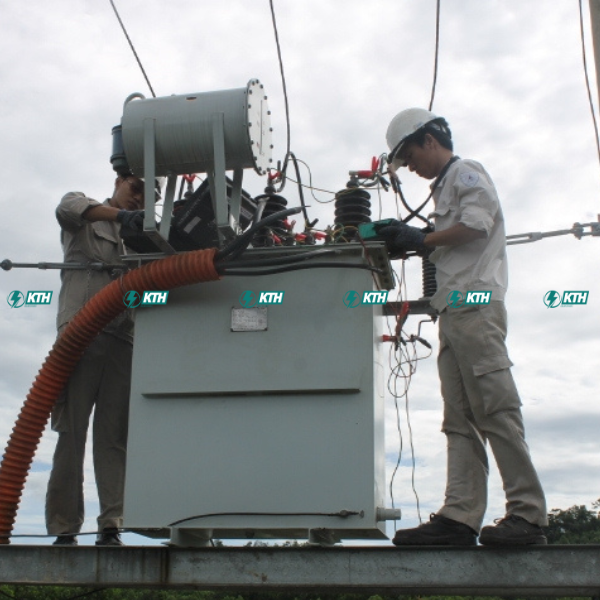
TRANSFORMER MAINTENANCE

Periodic maintenance ensures stable operation, extends equipment life, and reduces the risk of serious incidents.

INVERTER MAINTENANCE

Maintenance ensures efficiency and extends lifespan of Inverters (VFDs) in motor control systems.