
The Ultimate Guide to Outlet Wiring: Diagrams, Installation & Electrical Codes
From standard 120V replacement to complex 240V dryer outlets: Master the art of receptacle wiring with engineering precision.
1. Why Wiring Correctly Matters
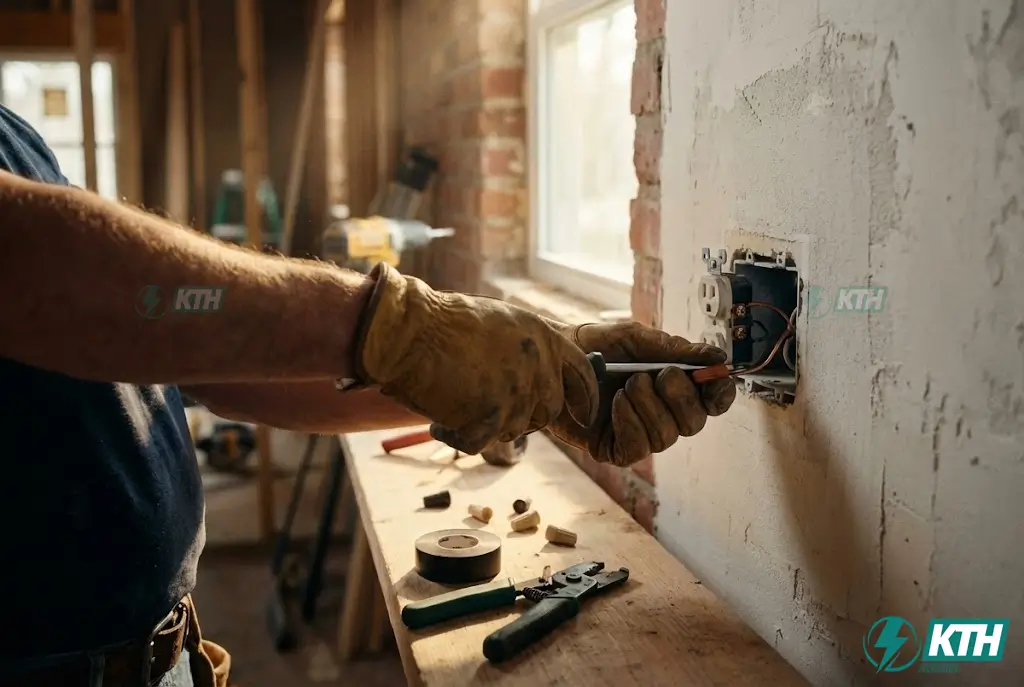
Installing or replacing an electrical outlet (also known as a receptacle or socket outlet) is one of the most common electrical DIY tasks. However, it is also where many dangerous mistakes happen.
Whether you are wiring a standard bedroom outlet, a switched outlet for a lamp, or a high-voltage outlet for a dryer, understanding the wiring diagrams is essential for safety and functionality. This comprehensive guide combines step-by-step installation instructions for beginners with advanced wiring diagrams for professionals.
⚠️ CRITICAL SAFETY PRECAUTIONS
- Turn Off Power: Always switch off the main circuit breaker for the room you are working in.
- Verify: Use a non-contact voltage tester to confirm the power is OFF before touching any wires.
- Wire Sizes: Ensure you use the appropriate wire gauge (e.g., 14 AWG for 15A, 12 AWG for 20A).
- Consult a Pro: If you are unsure, contact a licensed electrician.
2. What You’ll Need: Tools & Materials
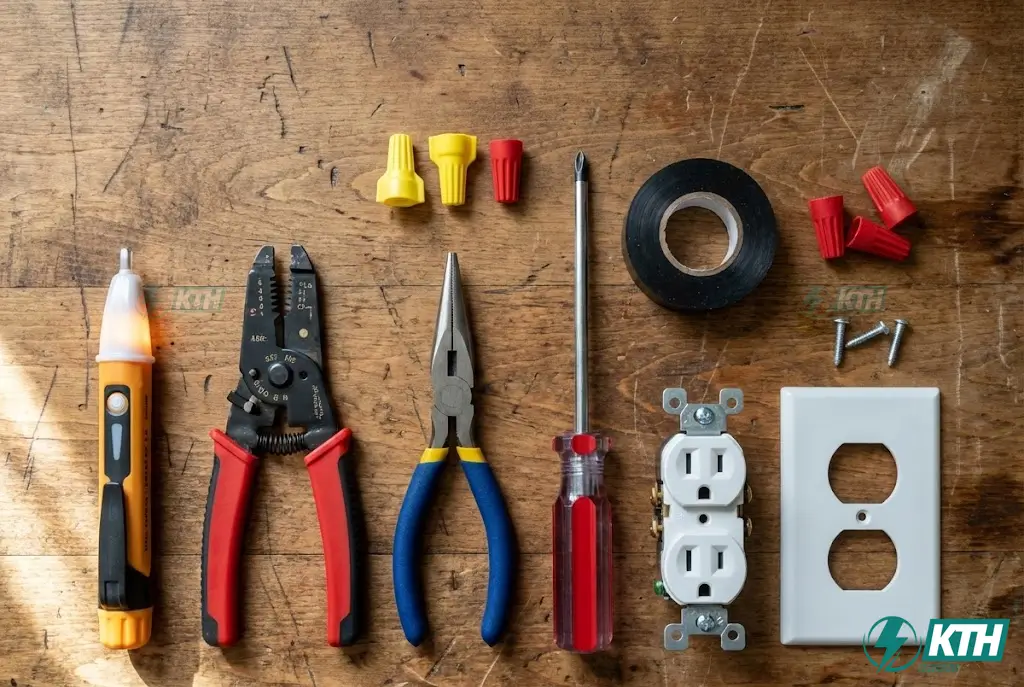
Before you begin any electrical system maintenance or installation, gather these essential tools to ensure a professional result.
🛠️ Equipment / Tools
- Non-contact voltage tester (Essential for safety)
- Wire strippers & Cable ripper
- Needle-nose pliers (For bending J-hooks)
- Screwdrivers (Phillips and Flathead)
- Multimeter (For testing continuity or capacitors if needed)
📦 Materials
- Outlet receptacle (15A, 20A, or Socket Outlet)
- Cover plate
- Wire connectors (Wire nuts)
- Electrical tape
- Scrap NM cable (for pigtails)
3. Anatomy of a Standard Outlet
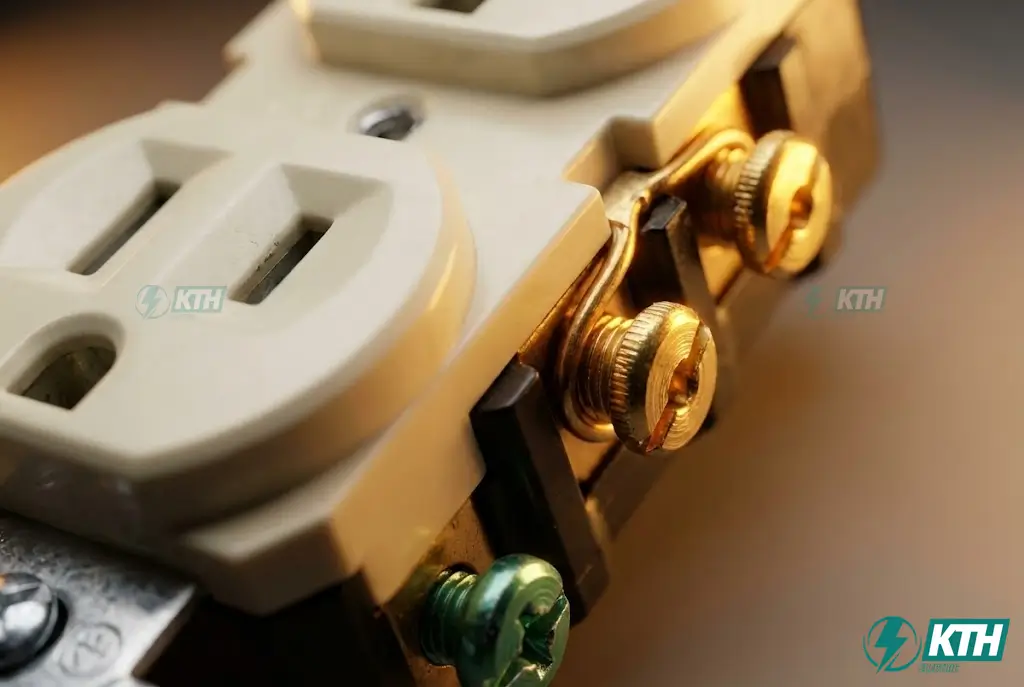
According to the NEC, an outlet is the point where current is taken to utilize electrical appliances. Understanding the connection points is crucial before you start stripping wires.
- Brass Screws (Narrow Slot): Connected to the Hot (Live/Phase) wire. This carries the current from the source. Color code: Black or Red.
- Silver Screws (Wide Slot): Connected to the Neutral wire. This allows current to flow back. Color code: White.
- Green Screw: Connected to the Ground wire. Critical for safety and tripping the breaker during faults. Color code: Green or Bare Copper.
- Breakaway Fin (Tab): A small metal tab connecting the screws. Pro Tip: Removing this allows you to create a “Split Receptacle” (half-switched).
Note: If you encounter symbols you don’t recognize, refer to our complete electrical symbols guide (IEC/ANSI).
4. Step-by-Step Installation Guide (The Universal Process)
Before diving into complex scenarios, you must master the basic installation process. This method applies whether you are wiring a standard 120V outlet or preparing for a office electrical fit-out.
Step 1: Prep and Strip the Wires
Remove the outer sheathing of the NM cable. Then, strip away 1/2 to 3/4 inch of plastic insulation from the ends of the wires using wire strippers. Tip: Many outlet boxes have a “strip gauge” molded into the back to help you measure the perfect length.
Step 2: The “Pigtail” Method (Professional Best Practice)
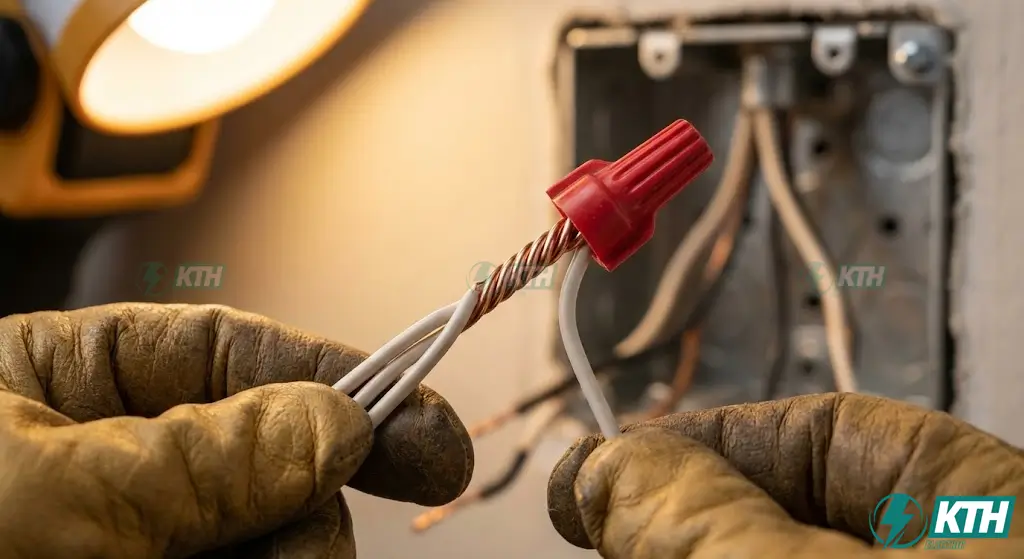
If you have multiple cables in the box (wiring multiple outlets in parallel), do not just shove all wires into the outlet’s backstab holes. Instead:
- Use a wire nut to join all the white wires together along with a short 6-inch white “pigtail” wire.
- Do the same for the black (hot) wires and ground wires.
- Connect only the single pigtails to the outlet. This ensures the rest of the circuit stays active even if this specific outlet fails.
Step 3: Connect Ground, Neutral, and Hot
Always connect in this order for safety:
- Ground (Green/Bare): Form a J-hook and wrap it clockwise around the green screw. Tighten securely.
- Neutral (White): Connect to the Silver screw terminal.
- Hot (Black): Connect to the Brass screw terminal.
Step 4: Secure and Finish
Gently fold the wires into the box (zigzag pattern). Screw the receptacle into the box. Install the cover plate and restore power.
5. Wiring Diagrams Library: Every Scenario Covered
Now that you know how to install, here are the specific wiring diagrams for every situation you might encounter in residential or commercial settings.
A. Wiring Multiple Outlets in Parallel
In this simple wiring diagram, multiple outlets are connected in parallel. Each outlet is independent. The circuit cable enters the first box, and pigtails continue the Hot, Neutral, and Ground to the next outlet.
B. Wiring a Split Switched Outlet (Half-Hot)
Great for living rooms to control a lamp via a switch while keeping the other socket live.
- Action: Remove the breakaway fin (tab) between the brass terminals (Hot side only).
- Connection: Connect the constant Hot wire to the bottom brass screw. Connect the switched wire (Switch Leg) to the top brass screw.
C. Wiring AFCI and GFCI Outlets
Required for kitchens and bathrooms. These outlets have specific terminals marked “LINE” (power in) and “LOAD” (power out). To protect downstream outlets, connect the feeding wires to the LOAD terminals. This is crucial for safety and passing electrical system assessments.
D. Wiring Multi-Wire Branch Circuits (Shared Neutral)
This allows two separate 120V circuits (Line 1 and Line 2) to share a neutral on a single duplex receptacle. Important: You must break the tab on the Hot side. Connect Line 1 (Red) to top brass, Line 2 (Black) to bottom brass.
6. High Voltage & Heavy Duty Outlets (240V/250V)
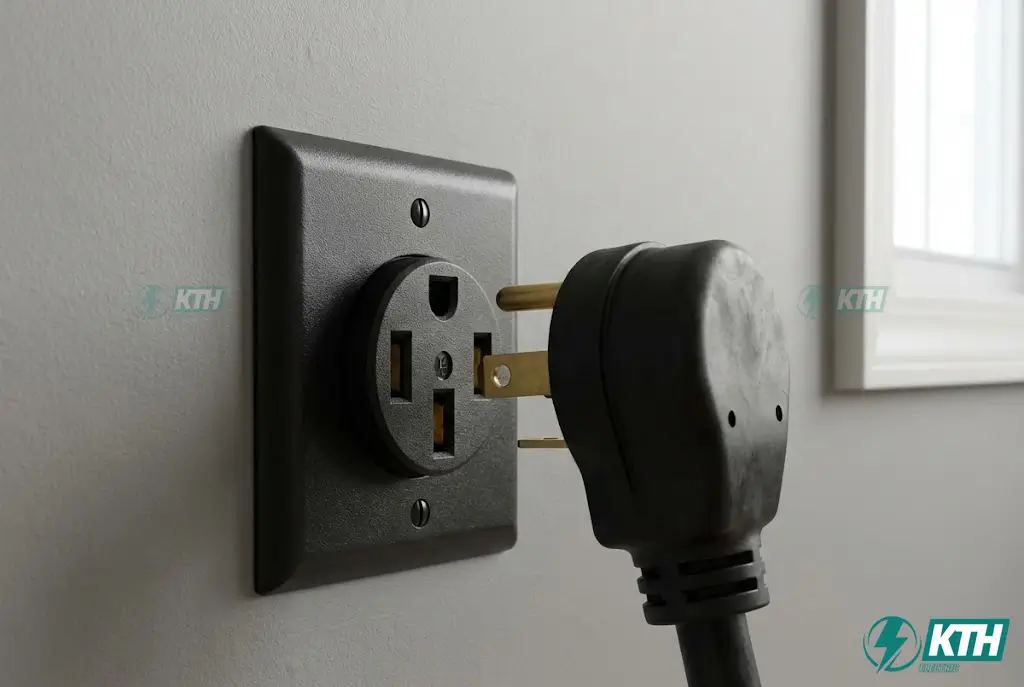
For heavy appliances like dryers, ovens, or industrial machinery, standard wiring won’t suffice. You need to understand wire sizes for 50A breakers and specific NEMA configurations.
20A, 250V Outlet (NEMA 6-20)
Used for large AC units. Requires two Hot lines and a Ground. No neutral needed.
👉 See full wiring guide.
30A, 240V Outlet (Dryer)
Modern codes require a 4-wire connection (Hot, Hot, Neutral, Ground). Usually 10 Gauge wire.
👉 See NEMA 6-30 guide.
50A, 250V Outlet (Range/Oven)
Requires 6 Gauge wire. Critical connections for Line 1, Line 2, Neutral, and Ground.
👉 See NEMA 5-50 guide.
Conclusion & FAQs
Mastering outlet wiring is about balancing the theoretical knowledge of circuits with the practical skill of making secure connections. Whether you are dealing with a low voltage cabinet or a simple home outlet, safety is paramount.
Can I put outlet wires facing up or down?
Yes, usually. Running wires up helps protect against water damage, while running wires down can help with everyday wear. However, ground-pin UP is often considered safer in industrial settings.
What is the difference between Hot and Neutral?
Hot (Black/Red) brings power from the source. Neutral (White) returns current to the source. Ground (Green) is for safety. Learn more in our Ampere Guide.
Disclaimer: The author and publisher will not be liable for any losses, injuries, or damages from the display or use of this information. Electrical codes vary by location.